

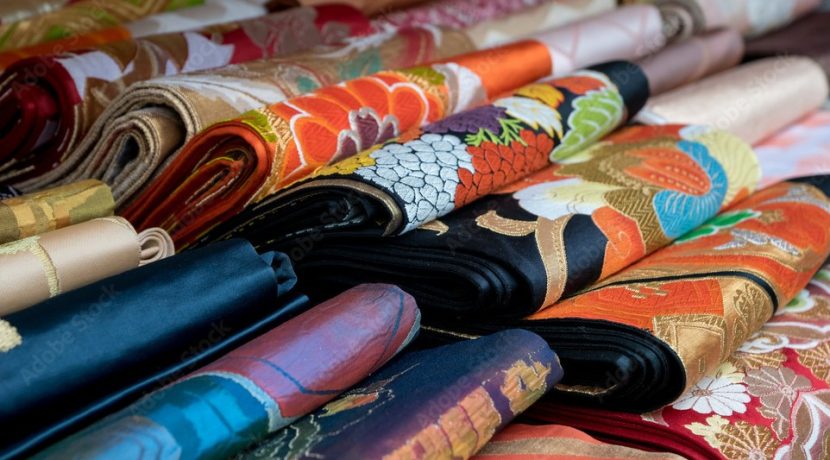
Types of Kimono Obi
The obi is more than a belt that holds a kimono in place. Its width, length, fabric, and design instantly tell you about the wearer’s age, the occasion, and the level of formality. Below is an overview of the main types of women’s kimono obi you will meet, from highly formal brocade to relaxed everyday styles.
Fukuro Obi(袋帯) – Modern Formal Classic
The fukuro obi is the standard formal obi for today’s kimono wear. It is usually around 30–31 cm wide and 4–4.4 m long, sewn from a single long panel. The pattern may cover the entire length or appear in specially placed sections (rokutsuu, “six-tenths pattern”) to make tying easier.
Fukuro obi are often woven in rich silk brocade or satin with gold and silver threads. They are worn with furisode and formal kimono such as hōmongi and tomesode, and are suitable for weddings, receptions, and official ceremonies. Because they are slightly lighter and shorter than traditional maru obi, they balance elegance with practicality and are the most common choice for dressy occasions.
Maru Obi(丸帯) – Old-Style Highest Formality
The maru obi is the most formal and luxurious obi type, now seen mainly in vintage pieces, stage costumes, and ceremonial wear. It is made from a single brocade fabric that is folded in half lengthwise, so the pattern covers both front and back all the way around. This construction makes it heavier and often longer than a fukuro obi.
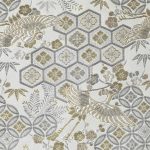
Heavily embroidered cranes, phoenixes, treasure motifs, and auspicious flowers are typical for maru obi. Historically they were worn by brides and women of high rank. Today they are cherished as collector’s items and occasionally used for very formal bridal outfits or transformed into bags and accessories.
Nagoya Obi(名古屋帯) – Everyday & Semi-Formal
The nagoya obi was invented in the early 20th century as a more practical obi for women who dressed themselves. The part that wraps around the waist is narrower (about 15 cm), while the section that forms the bow is full width (around 30 cm). This reduces bulk at the waist and makes the popular otaiko knot faster to tie.
Depending on the fabric and pattern, Nagoya obi range from casual to semi-formal: plain weaves and simple motifs suit everyday kimono, while refined dye work or understated metallic threads make them appropriate for visits, lunches, and theatre outings. They are usually worn with komon and tsukesage or less formal hōmongi.
Kyū/Nagoya Variants
- Kyū-Nagoya Obi(九寸名古屋帯) – About 30 cm wide before folding, sewn into the characteristic narrow-and-wide shape.
- Hachi-sun Nagoya Obi(八寸名古屋帯) – Slightly narrower and often unlined, giving a lighter, more casual feel.
Hanhaba Obi(半幅帯) – Relaxed & Playful
The hanhaba obi is a “half-width” obi, around 15–17 cm wide and usually 3.6–4 m long. It has no stiff core, so it is soft, easy to tie, and comfortable. This makes it the go-to choice for yukata and very casual kimono.
Patterns range from bold modern graphics to traditional stripes and kasuri weaves. Because it is so light and flexible, the hanhaba obi invites creative tying—ribbon-like bows, layered shapes, or simple knots for everyday wear. For formality, however, it stays firmly on the casual side.
Heko Obi(兵児帯) – Soft, Cloud-Like Obi
The heko obi is a very soft, scarf-like obi traditionally worn by children and men, now also popular for relaxed women’s outfits. Woven from airy silk, cotton gauze, or synthetics, it is simply wrapped and knotted, allowing the ends to fall in soft folds.
For women, colorful heko obi sometimes layer over a hanhaba or Nagoya obi to add volume and texture. Because it has no rigid structure, a heko obi feels informal and playful—perfect for at-home kimono, festivals, or experimental styling.
Tsuke Obi(付け帯) – Pre-Tied Convenience
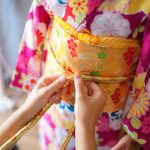
The tsuke obi (also called tsukuri obi or “pre-tied obi”) is designed for easy dressing. The bow and waist portion are made separately and fasten with hooks or ties. From the front it looks like a normally tied obi, but requires much less time and skill.
You will see tsuke obi for both formal and casual styles—bridal outfits, furisode, and also everyday yukata. They are especially helpful for photo shoots, stage performances, or anyone who wants the beauty of an obi knot without the learning curve.
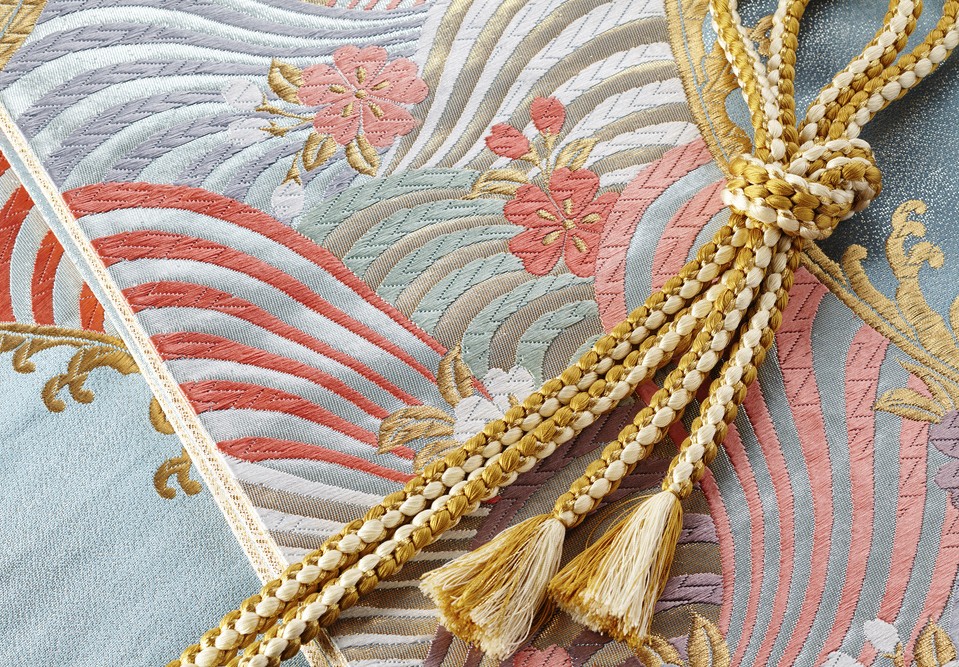
Other Obi-Related Items
While not standalone obi types, several accessories complete the look and influence its formality:
- Obiage(帯揚げ) – A narrow silk scarf that supports and decorates the top of the knot.
- Obijime(帯締め) – A braided cord tied around the middle of the obi, adding both security and a pop of color.
- Obimakura(帯枕) – A small padded pillow used to create volume under certain knots such as the otaiko.
How to Choose the Right Obi
When selecting an obi, consider three points:
- Formality – Maru and formal fukuro obi for weddings and ceremonies; Nagoya obi for smart everyday and semi-formal outings; hanhaba and heko obi for casual wear.
- Balance with the Kimono – A simple kimono can carry a bold obi, while an elaborate kimono often pairs best with a more understated obi.
- Practicality – If you dress yourself, Nagoya and hanhaba obi are easier to manage. For quick dressing, tsuke obi offer beautiful knots with minimal effort.
Conclusion
From the grandeur of vintage maru obi to the relaxed charm of hanhaba and heko styles, each type of kimono obi has its own role and personality. Understanding these differences helps you read the story of a kimono outfit at a glance: its season, mood, and level of formality. For makers and wearers alike, the obi is a small canvas with a powerful voice— a place where Japanese textiles, symbolism, and craftsmanship come together in a single, beautiful knot.
 PAGE TOP
この記事へのコメントはありません。